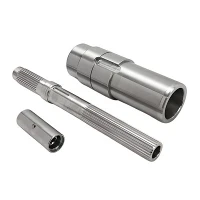

Hey there! As a supplier of Aero Engine Blades, I often get asked about the maintenance intervals for these crucial components. In this blog, I'll break down everything you need to know about how often you should maintain aero engine blades.
Understanding the Importance of Aero Engine Blades
First off, let's talk a bit about why aero engine blades are so important. These blades are the heart of an aircraft engine. They play a vital role in the compression and expansion of air, which is essential for generating thrust. Without properly functioning blades, an engine simply can't perform at its best.
Aero engine blades are constantly exposed to extreme conditions. They face high temperatures, high pressures, and high rotational speeds. Over time, these conditions can cause wear and tear on the blades, leading to potential performance issues or even failures. That's why regular maintenance is crucial.
Factors Affecting Maintenance Intervals
There are several factors that can influence the maintenance intervals for aero engine blades. Here are some of the key ones:
Operating Conditions
The operating conditions of an aircraft have a significant impact on the wear and tear of aero engine blades. For example, if an aircraft is used for short - haul flights with frequent take - offs and landings, the blades will experience more stress compared to an aircraft used for long - haul flights. In short - haul flights, the engines go through more cycles of starting, accelerating, and decelerating, which can cause more rapid wear on the blades.
Engine Type
Different types of aero engines have different requirements for blade maintenance. For instance, a turboprop engine may have different maintenance intervals compared to a turbojet or turbofan engine. The design and operating characteristics of each engine type determine how much stress the blades are under and how quickly they wear out.
Blade Material
The material used to make the aero engine blades also affects the maintenance intervals. Modern blades are often made from advanced materials like titanium alloys or single - crystal superalloys. These materials are designed to withstand high temperatures and stresses, but they still require regular inspection and maintenance. Some materials may be more resistant to wear and corrosion than others, which can extend the maintenance intervals.
General Maintenance Intervals
While the specific maintenance intervals can vary depending on the factors mentioned above, there are some general guidelines.
Visual Inspections
Visual inspections are usually the first step in blade maintenance. These inspections should be carried out regularly, typically after every 100 - 200 flight hours. During a visual inspection, technicians look for signs of damage such as cracks, erosion, or deformation. If any issues are detected, further testing may be required.
Non - Destructive Testing (NDT)
Non - destructive testing methods, such as ultrasonic testing, eddy - current testing, and X - ray inspection, are used to detect internal flaws in the blades. These tests are usually performed at longer intervals, often every 500 - 1000 flight hours. NDT can detect hidden cracks or other defects that may not be visible during a visual inspection.
Overhaul
A full overhaul of the aero engine blades is typically required every 3000 - 5000 flight hours. During an overhaul, the blades are removed from the engine, thoroughly inspected, and repaired or replaced as necessary. This is a more comprehensive maintenance procedure that ensures the long - term reliability of the blades.
The Role of Technology in Maintenance
Advances in technology have made it easier to determine the maintenance intervals for aero engine blades. For example, condition - based maintenance (CBM) uses sensors and data analytics to monitor the health of the blades in real - time. By collecting data on factors such as temperature, vibration, and stress, CBM can predict when maintenance is needed more accurately.


Some modern engines are equipped with onboard monitoring systems that can detect early signs of blade wear or damage. These systems can alert maintenance crews when it's time to perform an inspection or take other preventive measures.
Related Components and Their Maintenance
It's also important to consider the maintenance of other related components in the aero engine. For example, the Aero Engine Case provides protection for the engine and its components. It should be inspected regularly for signs of damage or corrosion.
The Stator Vane Assembly is another important component. The stator vanes help to direct the airflow in the engine, and they also need to be maintained to ensure optimal engine performance.
Why Choose Our Aero Engine Blades
As a supplier of Aero Engine Blades, we take pride in offering high - quality products. Our blades are made from the latest materials and are designed to meet the strictest industry standards. We also provide comprehensive support for maintenance and technical issues.
If you're in the market for aero engine blades or need more information about maintenance intervals, we'd love to hear from you. Our team of experts can help you determine the best maintenance schedule for your specific needs. Whether you're an aircraft operator, a maintenance provider, or an engine manufacturer, we're here to assist you.
Conclusion
In conclusion, the maintenance intervals for aero engine blades depend on a variety of factors, including operating conditions, engine type, and blade material. Regular visual inspections, non - destructive testing, and overhauls are all important parts of the maintenance process. With the help of modern technology, we can now determine the maintenance needs of aero engine blades more accurately.
If you're interested in learning more about our aero engine blades or have any questions about maintenance, don't hesitate to reach out. We're ready to start a conversation and help you keep your engines running smoothly.
References
- Smith, J. (2020). Aero Engine Maintenance Handbook. Aviation Press.
- Johnson, R. (2019). Advanced Materials for Aero Engines. Materials Science Journal.
- Brown, A. (2021). Condition - Based Maintenance in Aviation. Aerospace Technology Review.