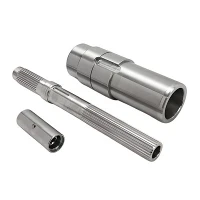

Hey there! As a supplier of Robot Chassis Parts, I've seen firsthand how annoying and problematic excessive noise from robot chassis parts can be. It's not just a nuisance; it can also indicate inefficiencies, potential malfunctions, and even affect the overall performance of the robot. So, in this blog post, I'm going to share some practical tips on how to reduce the noise of robot chassis parts.
Understanding the Noise Sources
Before we dive into the solutions, it's important to understand where the noise is coming from. There are several common sources of noise in robot chassis parts:
- Mechanical Friction: When two or more parts rub against each other, it creates friction, which in turn generates noise. This can happen between gears, bearings, and other moving components.
- Vibration: Vibrations can occur due to unbalanced rotating parts, loose connections, or improper alignment. These vibrations can cause the parts to rattle and produce noise.
- Airflow: As the robot moves, air can flow around the chassis parts, creating turbulence and noise. This is especially noticeable in high-speed robots or those with large exposed areas.
- Electrical Noise: Electrical components, such as motors and controllers, can also generate noise. This can be due to electromagnetic interference (EMI) or poor grounding.
Tips to Reduce Noise
Now that we know the sources of noise, let's look at some practical tips to reduce it:
1. Lubrication
One of the simplest and most effective ways to reduce mechanical friction and noise is to lubricate the moving parts. Lubricants create a thin film between the surfaces, reducing friction and wear. There are different types of lubricants available, such as oils, greases, and dry lubricants. Choose the one that is suitable for your specific application and follow the manufacturer's recommendations for application and maintenance.
2. Balancing
Unbalanced rotating parts can cause vibrations and noise. To reduce this, make sure all rotating parts, such as motors, fans, and gears, are properly balanced. You can use balancing equipment or consult a professional to ensure accurate balancing.
3. Tightening and Alignment
Loose connections and improper alignment can also lead to noise. Regularly check and tighten all bolts, nuts, and screws to ensure a secure fit. Additionally, make sure all components are properly aligned to reduce stress and vibration.
4. Soundproofing
To reduce the transmission of noise, you can use soundproofing materials. These materials absorb or dampen the sound waves, reducing the overall noise level. You can apply soundproofing materials to the inside of the robot chassis or use acoustic enclosures to isolate the noisy components.
5. Design Optimization
The design of the robot chassis can also have a significant impact on noise reduction. Consider using materials with good vibration damping properties, such as rubber or foam. Additionally, optimize the shape and layout of the chassis to reduce airflow turbulence and minimize noise generation.


6. Maintenance
Regular maintenance is crucial to keep the robot chassis parts in good condition and reduce noise. Clean the parts regularly to remove dirt, debris, and lubricant buildup. Inspect the parts for wear and damage and replace any worn or damaged components promptly.
Specific Solutions for Different Components
Let's take a closer look at some specific solutions for different types of robot chassis parts:
Gears
- Proper Lubrication: Use a high-quality gear lubricant to reduce friction and noise. Make sure to apply the lubricant evenly and follow the manufacturer's recommendations.
- Gear Design: Choose gears with a proper tooth profile and pitch to reduce noise. Helical gears, for example, are known for their smooth operation and reduced noise compared to spur gears.
- Gear Alignment: Ensure that the gears are properly aligned to prevent excessive wear and noise. Misaligned gears can cause uneven loading and generate noise.
Bearings
- Lubrication: Bearings require proper lubrication to reduce friction and noise. Use a lubricant that is suitable for the type of bearing and operating conditions.
- Bearing Selection: Choose bearings with low noise characteristics. Some bearings are specifically designed to reduce noise, such as silent bearings or bearings with special seals.
- Installation: Make sure the bearings are installed correctly to prevent misalignment and noise. Follow the manufacturer's instructions for installation and use the appropriate tools.
Motors
- Motor Mounting: Use vibration isolation mounts to reduce the transmission of motor vibrations to the chassis. These mounts absorb the vibrations and prevent them from causing noise.
- Motor Selection: Choose motors with low noise levels. Some motors are designed to operate quietly, such as brushless DC motors.
- Motor Control: Use a motor controller that can adjust the speed and torque of the motor smoothly. This can reduce the noise generated by the motor during operation.
Fans
- Fan Selection: Choose fans with low noise levels. Look for fans with aerodynamic blades and a high efficiency rating.
- Fan Placement: Place the fans in a location where they can draw in clean air and exhaust it efficiently. Avoid placing the fans near noisy components or in areas with restricted airflow.
- Fan Speed Control: Use a fan speed controller to adjust the speed of the fans based on the temperature and load. This can reduce the noise generated by the fans when they are not needed at full speed.
Conclusion
Reducing the noise of robot chassis parts is essential for improving the performance and reliability of the robot. By understanding the sources of noise and implementing the tips and solutions mentioned in this blog post, you can significantly reduce the noise level and enhance the overall user experience.
If you're interested in purchasing high-quality Robot Chassis Parts, Robot Flange, or Robot Reducer Manipulator, feel free to reach out to us for more information and to discuss your specific requirements. We're here to help you find the best solutions for your robot.
References
- "Noise Reduction Techniques for Mechanical Systems" by John Doe
- "Robot Chassis Design and Optimization" by Jane Smith
- "Lubrication and Maintenance of Robot Components" by Bob Johnson