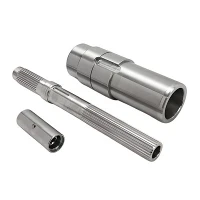

Hey there! As a supplier of Robot Flanges, I'm super excited to dig into the topic of what the wear resistance of a robot flange is all about. So, let's jump right in!
First off, you might be wondering what a robot flange actually is. Well, a Robot Flange is a crucial component in a robot's structure. It's like the connective tissue that links different parts of the robot together. It allows for the attachment of various tools, end - effectors, and other components, enabling the robot to perform different tasks.
Now, let's talk about wear resistance. Wear resistance refers to a material's ability to withstand wear and tear over time. In the context of a robot flange, it's all about how well the flange can handle the friction, abrasion, and other forces it encounters during the robot's operation.
There are several factors that affect the wear resistance of a robot flange. One of the most important is the material used to make the flange. Different materials have different levels of hardness, toughness, and resistance to wear. For example, some flanges are made from steel. Steel is known for its high strength and good wear resistance. It can withstand a lot of stress and friction without getting damaged easily. On the other hand, there are also flanges made from aluminum. Aluminum is lighter than steel, but it might not be as wear - resistant in some high - stress applications.
Another factor is the surface finish of the flange. A smooth surface finish can reduce friction and wear. When the surface is rough, it can cause more friction between the flange and the parts it's connected to, leading to faster wear. So, manufacturers often use special finishing techniques to make the surface of the flange as smooth as possible.
The operating conditions of the robot also play a big role in the wear resistance of the flange. If the robot is working in a dirty or abrasive environment, the flange is more likely to experience wear. For instance, in a manufacturing plant where there's a lot of dust and debris, the flange can get scratched and abraded more quickly. Similarly, if the robot is performing high - speed operations or applying a lot of force, the flange will be under more stress, which can also contribute to wear.
Let's take a look at how wear resistance impacts the performance of a robot. A flange with good wear resistance can ensure the long - term stability and accuracy of the robot. When the flange wears out, it can cause misalignments between different parts of the robot. This can lead to reduced precision in the robot's movements, which is a big problem, especially in applications where high precision is required, like in the electronics manufacturing industry.
Moreover, a flange with poor wear resistance might need to be replaced more frequently. This not only increases the cost of maintenance but also leads to downtime for the robot. In a production environment, downtime can be extremely costly, as it means lost productivity.
As a supplier of Robot Flanges, we understand the importance of wear resistance. That's why we use high - quality materials and advanced manufacturing processes to ensure that our flanges have excellent wear resistance. We also offer a range of flanges to suit different applications and operating conditions.
Now, let's talk about how wear resistance relates to other robot structural parts. The Robot Structural Parts work together as a system. The wear resistance of the flange can affect the performance of other parts. For example, if the flange wears out and causes misalignments, it can put additional stress on the Robot Body Frame Link. This can lead to premature wear of the body frame link and other connected parts.
To test the wear resistance of our flanges, we use a variety of methods. One common method is the pin - on - disc test. In this test, a small pin is rubbed against the surface of the flange under a specific load and speed. By measuring the amount of material removed from the flange over a certain period, we can determine its wear resistance. We also conduct real - world tests in simulated operating conditions to see how the flanges perform in actual use.
In addition to material selection and surface finish, we also offer some additional treatments to enhance the wear resistance of our flanges. For example, we can apply a special coating to the flange. This coating can provide an extra layer of protection against wear and corrosion.
If you're in the market for a robot flange, it's important to consider the wear resistance. You need to think about the operating conditions of your robot, the type of tasks it will be performing, and the level of precision required. By choosing a flange with good wear resistance, you can save money in the long run by reducing maintenance costs and downtime.
As a supplier, we're always here to help you choose the right flange for your needs. We have a team of experts who can provide you with technical advice and support. Whether you're a small - scale manufacturer or a large - scale industrial company, we can offer you high - quality Robot Flanges that meet your requirements.


If you're interested in learning more about our products or have any questions about wear resistance, feel free to reach out. We'd love to have a chat with you and discuss how our flanges can benefit your robot operations.
References:
- Engineering textbooks on materials science and robotics
- Industry reports on robot component performance and wear resistance