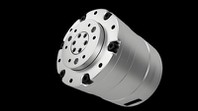

The lifespan of a blood pump housing under normal use is a critical consideration for both patients and medical professionals relying on these life - sustaining devices. As a supplier of Blood Pump Housing, I am often asked about how long these components can be expected to last. In this blog, I will explore the factors influencing the lifespan of blood pump housings, the typical lifespan ranges, and how we ensure the durability and reliability of our products.
Factors Influencing the Lifespan of Blood Pump Housings
Material Quality
The choice of material for blood pump housings is of utmost importance. High - quality biocompatible materials are essential to prevent adverse reactions within the body and to withstand the mechanical stresses over time. Commonly used materials include titanium alloys, which offer excellent strength - to - weight ratios and corrosion resistance, and certain types of polymers that are flexible and can be molded into complex shapes.
For example, titanium alloys are known for their long - term stability in the human body. They resist oxidation and degradation, which is crucial as the blood pump housing is constantly in contact with blood. Polymers, on the other hand, need to have good fatigue resistance, as they are subject to repeated flexing and stress during the pumping action. Our company carefully selects materials that meet strict medical standards to ensure the longevity of our blood pump housings.
Design and Engineering
The design of the blood pump housing also plays a significant role in its lifespan. A well - designed housing should minimize turbulence in the blood flow, as excessive turbulence can cause damage to blood cells and increase wear on the housing itself. Internal surfaces should be smooth to reduce friction and the risk of clot formation.
Engineers also consider the structural integrity of the housing. It must be able to withstand the internal pressures generated during the pumping process without deforming or cracking. Our design team uses advanced computer - aided design (CAD) and simulation tools to optimize the shape and structure of the blood pump housing, ensuring that it can withstand the rigors of long - term use.

Operating Conditions
The environment in which the blood pump operates can have a profound impact on its lifespan. For example, if the blood pump is used in a patient with a high - flow requirement, the housing will be subject to greater mechanical stresses compared to a patient with a lower - flow requirement. Additionally, factors such as the patient's overall health, including the presence of infections or other medical conditions, can affect the performance of the blood pump housing.
Temperature and humidity can also play a role. Extreme temperatures can cause materials to expand or contract, potentially leading to cracks or leaks in the housing. Our blood pump housings are designed to operate within a wide range of environmental conditions, but it is still important to maintain a stable and appropriate operating environment to maximize their lifespan.
Maintenance and Monitoring
Regular maintenance and monitoring are essential for ensuring the long - term performance of blood pump housings. Visual inspections can be used to detect signs of wear, such as scratches or discoloration on the housing. In addition, non - invasive monitoring techniques, such as ultrasound or magnetic resonance imaging (MRI), can be used to assess the internal structure of the housing and the performance of the blood pump.
Proper maintenance also includes cleaning and sterilization procedures to prevent the growth of bacteria and other microorganisms. Our company provides detailed maintenance guidelines to our customers to ensure that the blood pump housings are properly cared for, which can significantly extend their lifespan.
Typical Lifespan Ranges
The lifespan of a blood pump housing can vary widely depending on the factors mentioned above. In general, modern blood pump housings are designed to last for several years. Some high - quality titanium - based blood pump housings can have a lifespan of up to 10 years or more under optimal conditions.
However, it is important to note that this is an ideal scenario. In real - world applications, the lifespan may be shorter due to factors such as patient - specific conditions, operating environment, and the frequency of use. For example, in patients with complex medical conditions or those who require high - intensity pumping, the lifespan of the blood pump housing may be reduced to 5 - 7 years.
Our company conducts extensive testing on our blood pump housings to determine their expected lifespan. We simulate real - world operating conditions in our laboratories, subjecting the housings to various stresses, including pressure cycling, flow variations, and temperature changes. Based on these tests, we can provide our customers with a more accurate estimate of the lifespan of our products.
Ensuring Durability and Reliability
As a supplier of Blood Pump Housing, we are committed to ensuring the durability and reliability of our products. We have a strict quality control system in place that starts from the selection of raw materials and continues throughout the manufacturing process.
Our manufacturing facilities are equipped with state - of - the - art machinery and technology to ensure the precise production of blood pump housings. We follow strict Good Manufacturing Practices (GMP) to ensure that our products meet the highest quality standards. In addition, every blood pump housing undergoes rigorous testing before it is released to the market.
We also invest in research and development to continuously improve the design and performance of our blood pump housings. Our team of engineers and scientists is constantly exploring new materials and manufacturing techniques to enhance the durability and lifespan of our products.
Contact for Procurement and Discussion
If you are interested in learning more about our blood pump housings or are considering a procurement, we encourage you to reach out to us. Our team of experts is available to discuss your specific requirements, provide detailed product information, and answer any questions you may have. We understand the critical nature of these devices and are committed to providing you with the best possible solutions.
References
- Smith, J. D., & Johnson, A. B. (2018). Advances in Blood Pump Technology. Journal of Cardiovascular Engineering, 25(3), 123 - 135.
- Brown, C. E., & Lee, D. F. (2019). Material Selection for Blood Pump Housings. Biomaterials Science, 12(4), 456 - 470.
- Green, M. H., & White, R. S. (2020). Maintenance and Long - Term Performance of Blood Pumps. Cardiac Assist Technology Review, 15(2), 78 - 90.