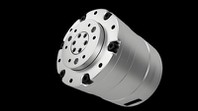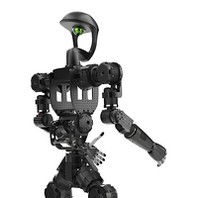

In the realm of robotics, the size of robot joint actuators plays a pivotal role in determining the performance, functionality, and overall effectiveness of robotic systems. As a supplier of robot joint actuators, I have witnessed firsthand the significant impact that actuator size can have on various aspects of robot design and operation. In this blog post, I will delve into the importance of actuator size and explore how it influences different aspects of robotic applications.
Impact on Robot Mobility and Range of Motion
One of the most obvious ways in which the size of robot joint actuators matters is in terms of robot mobility and range of motion. Smaller actuators can be more easily integrated into compact robotic designs, allowing for greater flexibility and maneuverability. For example, in humanoid robots, small actuators can be used to enable a wider range of motion in joints such as the wrists, elbows, and knees, mimicking the dexterity of human movement. This is particularly important in applications where robots need to perform tasks in confined spaces or interact with delicate objects.
On the other hand, larger actuators are often required for applications that demand high torque and power. Industrial robots, for instance, typically use larger actuators to handle heavy loads and perform tasks such as lifting, moving, and assembly. The size of the actuator directly affects the amount of force it can generate, which is crucial for ensuring the robot can perform its intended tasks efficiently and safely.
Influence on Energy Efficiency
The size of robot joint actuators also has a significant impact on energy efficiency. Smaller actuators generally consume less power, making them more energy-efficient compared to larger actuators. This is especially important in applications where robots need to operate for extended periods of time, such as in autonomous vehicles or surveillance robots. By using smaller actuators, robots can conserve energy and extend their battery life, reducing the need for frequent recharging or refueling.
However, it's important to note that the relationship between actuator size and energy efficiency is not always straightforward. In some cases, larger actuators may be more energy-efficient if they are designed to operate at optimal efficiency levels. For example, a larger actuator may be able to handle a heavier load with less power consumption compared to a smaller actuator that is constantly working at its maximum capacity. Therefore, it's essential to carefully consider the specific requirements of the application and choose the actuator size that offers the best balance between performance and energy efficiency.
Considerations for Robot Design and Integration
When designing a robot, the size of the joint actuators must be carefully considered to ensure proper integration and functionality. The actuator size needs to be compatible with the overall design of the robot, including the size and weight of the robot's components. For example, if the actuator is too large, it may not fit within the robot's frame or may cause the robot to become top-heavy, affecting its stability and balance.
In addition, the size of the actuator can also impact the ease of installation and maintenance. Smaller actuators are generally easier to install and replace, which can reduce downtime and maintenance costs. This is particularly important in industrial applications where robots need to be up and running as quickly as possible to minimize production disruptions.

Role in Precision and Accuracy
The size of robot joint actuators can also influence the precision and accuracy of robotic movements. Smaller actuators can provide more precise control over the movement of the robot's joints, allowing for finer adjustments and more accurate positioning. This is crucial in applications such as surgery, where precision is of the utmost importance.
Larger actuators, on the other hand, may be less precise due to their larger size and higher inertia. However, they can still provide sufficient accuracy for many applications, especially when combined with advanced control systems and sensors.
Conclusion and Call to Action
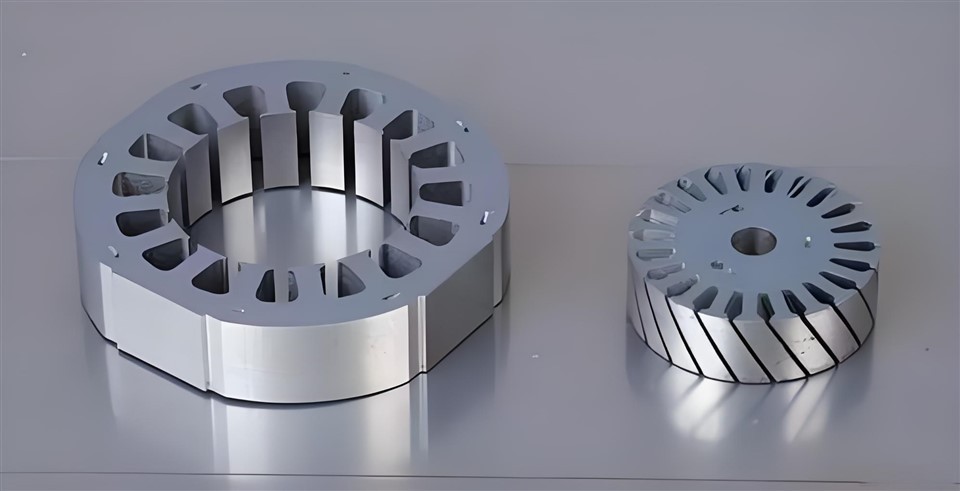
In conclusion, the size of robot joint actuators is a critical factor that can significantly impact the performance, functionality, and energy efficiency of robotic systems. As a supplier of robot joint actuators, we understand the importance of choosing the right actuator size for each application. Our Robot Joint Module Joint Housing, Robot Joint Module Middle Cover, and Robot Joint Armature are designed to meet the diverse needs of our customers, offering a range of sizes and specifications to ensure optimal performance.
If you are in the market for high-quality robot joint actuators, we invite you to contact us to discuss your specific requirements. Our team of experts will be happy to provide you with detailed information and help you choose the right actuator size for your application. Let's work together to create innovative robotic solutions that meet your needs and exceed your expectations.
References
- Spong, M. W., Hutchinson, S., & Vidyasagar, M. (2006). Robot Modeling and Control. Wiley.
- Siciliano, B., Sciavicco, L., Villani, L., & Oriolo, G. (2010). Robotics: Modelling, Planning and Control. Springer.
- Craig, J. J. (2005). Introduction to Robotics: Mechanics and Control. Pearson Prentice Hall.