

As a trusted compressor impeller supplier, I understand the critical role that compressor impellers play in various industrial applications. Corrosion is a significant concern that can compromise the performance and longevity of these vital components. In this blog post, I'll share some effective strategies to prevent the corrosion of compressor impellers.
Understanding the Causes of Corrosion
Before delving into prevention methods, it's essential to understand what causes corrosion in compressor impellers. Corrosion is a natural process that occurs when a metal reacts with its environment. In the case of compressor impellers, several factors can contribute to corrosion:
- Chemical Exposure: Compressor impellers are often exposed to various chemicals, such as acids, alkalis, and salts. These chemicals can react with the metal surface, leading to corrosion.
- Moisture: Moisture is a key factor in corrosion. When water comes into contact with the metal surface, it can initiate a chemical reaction that causes rust and other forms of corrosion.
- High Temperatures: High temperatures can accelerate the corrosion process. In some industrial applications, compressor impellers operate in high-temperature environments, which can increase the risk of corrosion.
- Mechanical Stress: Mechanical stress can also contribute to corrosion. When the impeller is subjected to high levels of stress, it can cause micro - cracks in the metal surface, which can provide a pathway for corrosive agents to penetrate.
Selecting the Right Materials
One of the most effective ways to prevent corrosion is to select the right materials for the compressor impeller. Different materials have different levels of corrosion resistance. Here are some common materials used for compressor impellers and their corrosion - resistant properties:

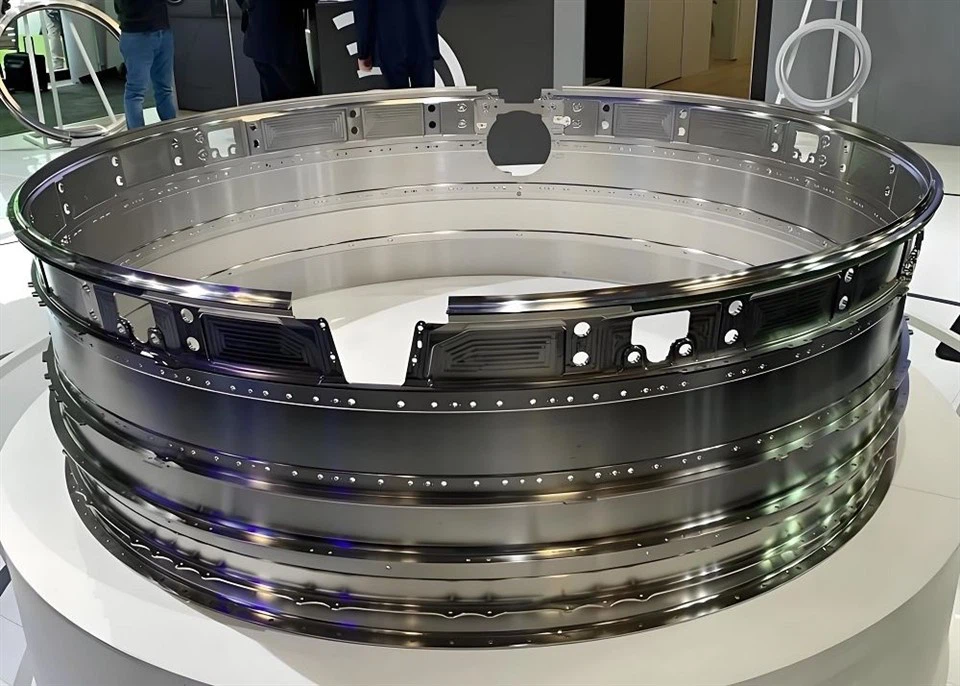
- Stainless Steel: Stainless steel is a popular choice for compressor impellers due to its excellent corrosion resistance. It contains chromium, which forms a passive oxide layer on the surface of the metal, protecting it from corrosion. There are different grades of stainless steel, and the choice depends on the specific application and the level of corrosion resistance required.
- Aluminum Alloys: Aluminum alloys are lightweight and have good corrosion resistance. They are often used in applications where weight is a concern. However, they may require additional surface treatments to enhance their corrosion resistance in harsh environments.
- Titanium Alloys: Titanium alloys offer high strength and excellent corrosion resistance, especially in corrosive environments such as seawater. They are more expensive than stainless steel and aluminum alloys but are a good choice for critical applications where corrosion resistance is of utmost importance.
Surface Treatments
Surface treatments can significantly enhance the corrosion resistance of compressor impellers. Here are some common surface treatment methods:
- Coating: Applying a protective coating to the impeller surface can create a barrier between the metal and the corrosive environment. There are different types of coatings available, such as epoxy coatings, ceramic coatings, and zinc coatings. Epoxy coatings are often used for general - purpose corrosion protection, while ceramic coatings offer high - temperature and wear resistance.
- Anodizing: Anodizing is a process that forms a protective oxide layer on the surface of aluminum alloys. This oxide layer provides excellent corrosion resistance and can also improve the appearance of the impeller.
- Passivation: Passivation is a chemical process that removes free iron from the surface of stainless steel, enhancing its corrosion resistance. It involves treating the impeller with a passivating agent, such as nitric acid, to form a passive oxide layer.
Proper Maintenance and Monitoring
Regular maintenance and monitoring are crucial for preventing corrosion in compressor impellers. Here are some maintenance and monitoring practices:
- Cleaning: Regularly cleaning the impeller can remove dirt, debris, and corrosive agents from the surface. Use a mild detergent and water to clean the impeller, and avoid using abrasive materials that can damage the surface.
- Inspection: Regular inspections can help detect early signs of corrosion. Look for signs such as rust, pitting, and discoloration on the impeller surface. If corrosion is detected, take appropriate measures to address it promptly.
- Lubrication: Proper lubrication can reduce friction and wear, which can help prevent corrosion. Use a high - quality lubricant that is compatible with the impeller material and the operating environment.
Environmental Control
Controlling the environment in which the compressor impeller operates can also help prevent corrosion. Here are some environmental control measures:
- Humidity Control: Maintaining a low humidity level in the operating environment can reduce the risk of corrosion. Use dehumidifiers or air - conditioning systems to control the humidity.
- Chemical Control: Minimize the exposure of the impeller to corrosive chemicals. If the impeller is exposed to chemicals, ensure that proper ventilation and protective measures are in place.
- Temperature Control: Keep the operating temperature within the recommended range. High temperatures can accelerate the corrosion process, so it's important to monitor and control the temperature.
Importance of Collaboration with a Reliable Supplier
As a compressor impeller supplier, I can provide valuable guidance on material selection, surface treatments, and maintenance practices. Working with a reliable supplier like me ensures that you get high - quality impellers that are designed to resist corrosion. I have the expertise and experience to recommend the best solutions for your specific application.
In addition to compressor impellers, we also offer related products such as Disk Turbine, Aero Engine Case, and Stator Vane Assembly. These products are also subject to corrosion risks, and the same principles of corrosion prevention apply.
If you are looking for high - quality compressor impellers or other related products and want to discuss corrosion prevention strategies, I encourage you to reach out for a procurement discussion. We are committed to providing you with the best solutions to meet your needs and ensure the long - term performance of your equipment.
References
- Fontana, M. G. (1986). Corrosion Engineering. McGraw - Hill.
- Uhlig, H. H., & Revie, R. W. (1985). Corrosion and Corrosion Control. Wiley.
- ASM Handbook, Volume 13A: Corrosion: Fundamentals, Testing, and Protection. ASM International.