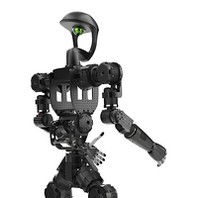

Hey there! As a supplier of humanoid robot skeletons, I've seen firsthand the unique challenges that come with designing these structures for harsh environments. In this blog post, I'll share some of the key design requirements that we keep in mind when creating humanoid robot skeletons that can withstand the toughest conditions.
1. Material Selection
One of the most important factors in designing a humanoid robot skeleton for a harsh environment is choosing the right materials. The materials need to be strong, durable, and resistant to corrosion, wear, and tear. For example, we often use high-strength alloys like titanium and aluminum, which offer a good balance of strength and weight. These materials can withstand extreme temperatures, high pressures, and exposure to chemicals and other harsh substances.
In addition to the base materials, we also pay close attention to the surface treatments and coatings. For instance, we might apply a protective coating to the skeleton to prevent rust and corrosion. This can significantly extend the lifespan of the robot in a harsh environment.
2. Structural Integrity
The structure of the humanoid robot skeleton needs to be designed to withstand the forces and stresses it will encounter in a harsh environment. This means ensuring that the joints are strong and flexible, and that the overall frame is rigid enough to maintain its shape. We use advanced engineering techniques to optimize the design of the skeleton, taking into account factors such as load distribution, torque, and bending moments.
For example, the joints need to be able to handle a wide range of motion while still providing sufficient stability. We might use ball joints or other types of flexible connections to allow for smooth movement. At the same time, the frame needs to be designed to resist deformation under heavy loads. This might involve using cross-bracing or other reinforcement techniques to strengthen the structure.
3. Environmental Resistance
Harsh environments can present a variety of challenges, including extreme temperatures, high humidity, dust, and vibration. The humanoid robot skeleton needs to be designed to withstand these conditions without compromising its performance.
For example, in a high-temperature environment, the materials need to be able to maintain their strength and integrity. We might use heat-resistant materials or incorporate cooling systems to prevent overheating. In a dusty environment, the skeleton needs to be sealed to prevent dust from entering the joints and other components. This can help to reduce wear and tear and improve the overall reliability of the robot.
4. Cable Management
Proper cable management is crucial in a humanoid robot skeleton, especially in a harsh environment. The cables need to be protected from damage, and they need to be organized in a way that allows for easy maintenance and replacement.


We offer a Cable Management Bracket for Robot Body Frame that helps to keep the cables neatly organized and protected. This bracket is designed to be durable and resistant to environmental factors, ensuring that the cables remain in good condition even in the toughest conditions.
5. Modularity and Repairability
In a harsh environment, it's important to design the humanoid robot skeleton to be modular and easily repairable. This means that individual components can be easily removed and replaced if they become damaged or worn out.
We design our skeletons with modularity in mind, using standardized interfaces and connections. This allows for quick and easy replacement of parts, reducing downtime and maintenance costs. For example, we offer a range of Robot Structural Parts that can be easily swapped out as needed.
6. Compatibility with Other Components
The humanoid robot skeleton needs to be compatible with other components, such as motors, sensors, and control systems. This ensures that the robot can function effectively in a harsh environment.
We work closely with our customers to ensure that our skeletons are compatible with the specific components they are using. We also offer Robot Flange options that can be used to connect the skeleton to other parts of the robot.
Conclusion
Designing a humanoid robot skeleton for a harsh environment requires careful consideration of a variety of factors. From material selection to cable management, every aspect of the design needs to be optimized to ensure that the robot can withstand the toughest conditions.
If you're in the market for a humanoid robot skeleton that can perform in a harsh environment, we'd love to hear from you. Our team of experts can work with you to design a custom solution that meets your specific requirements. Contact us today to start the conversation!
References
- Some general engineering textbooks on robotics and materials science.
- Industry reports on the challenges of operating robots in harsh environments.